our history
.jpg)

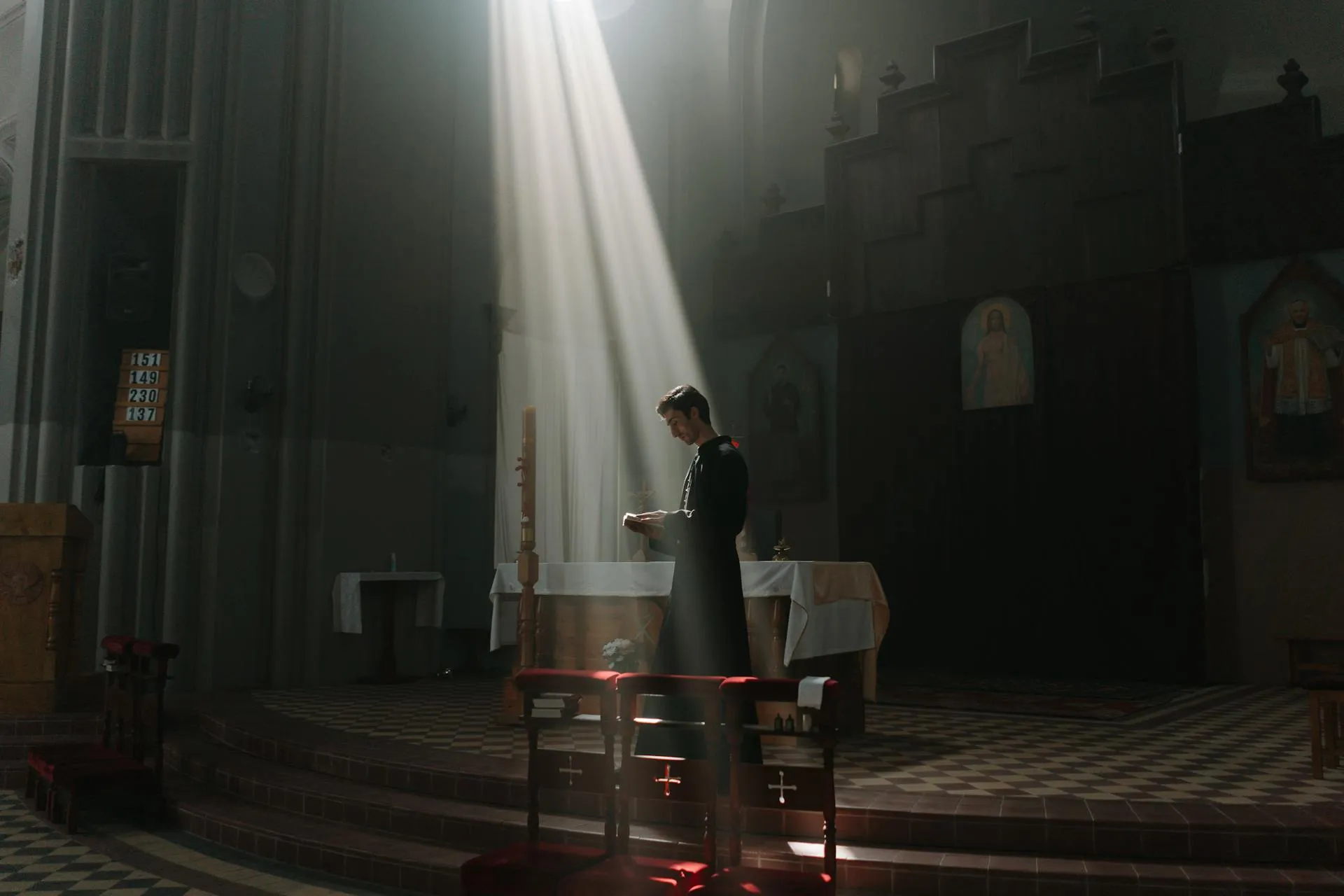
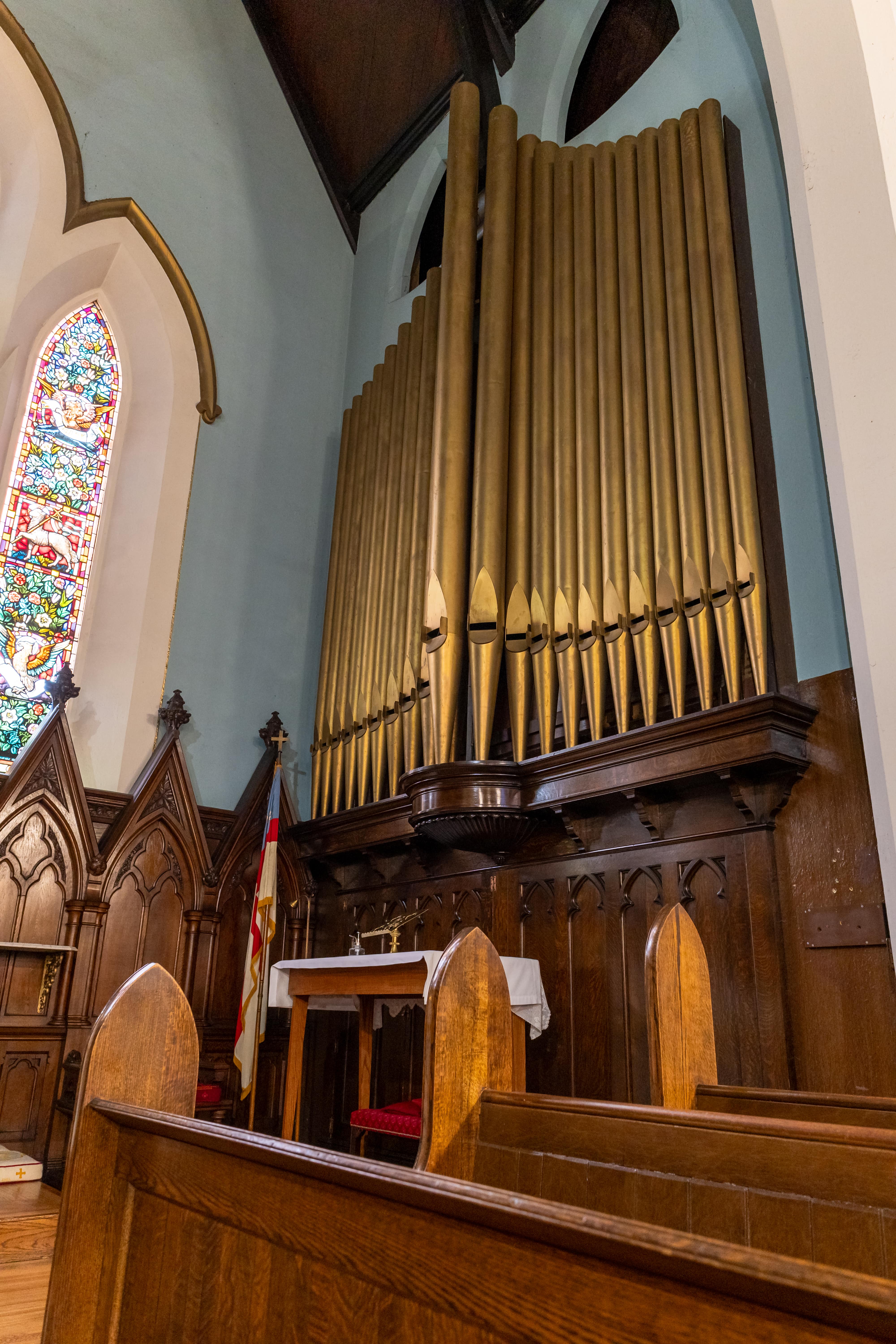
Trinity’s pipe organ has been a vital part of our worship, filling our sanctuary with beautiful, uplifting music for many decades. Its rich tones inspire reflection, celebration, and deep connection with faith. It was custom-made by the MP Moller Company of Hagerstown, Maryland in 1949, and is "a postwar masterpiece in the American classic tradition." The organ is of special interest because it features one of the last fully functioning, original-specification Moller remote combination action machines (in two cabinets). The pipe organ features 37 ranks of pipes, installed in three chambers that flank the chancel.

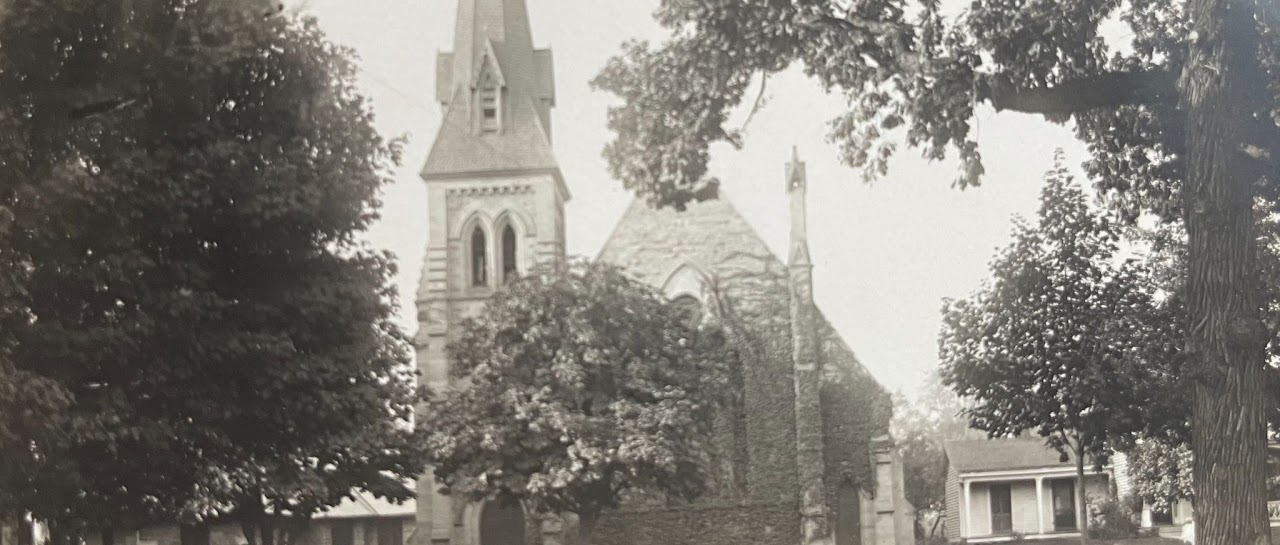
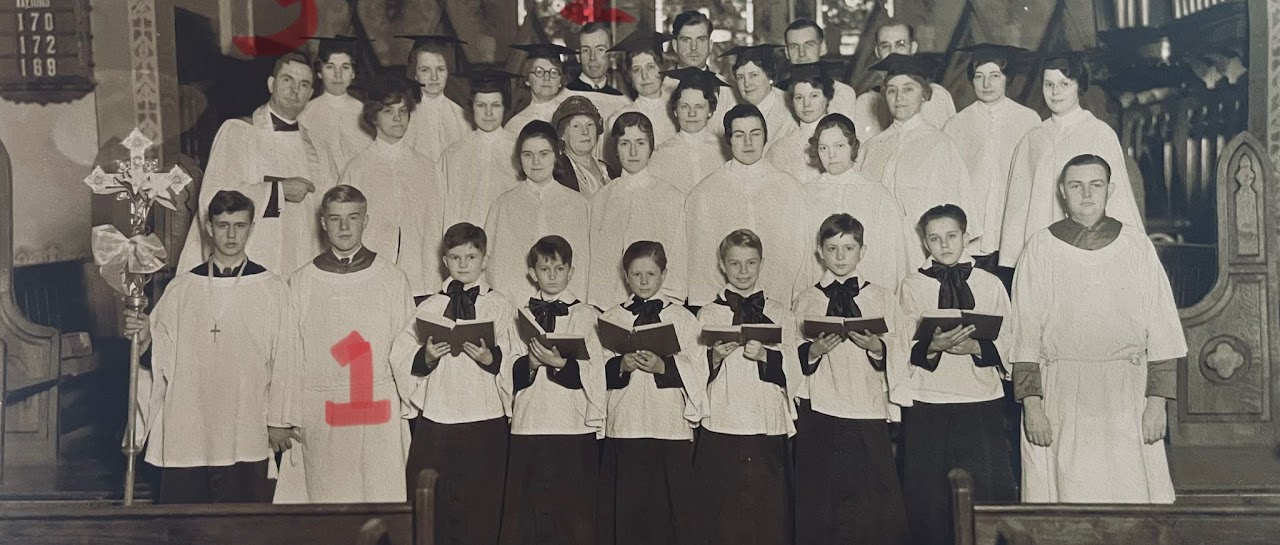
Trinity Episcopal Church in Marshall, Michigan, was established in 1836 by prominent leaders when Marshall was still a small village. The first church building was consecrated in 1837. As the village grew, so did the parish, creating a need for a larger structure. The current sandstone building was designed by the renowned architect Gordon W. Lloyd and constructed by Nathan Benedict, a leading builder in Marshall and a member of the Trinity parish. The sanctuary was completed during the Civil War, with its consecration taking place in 1864.
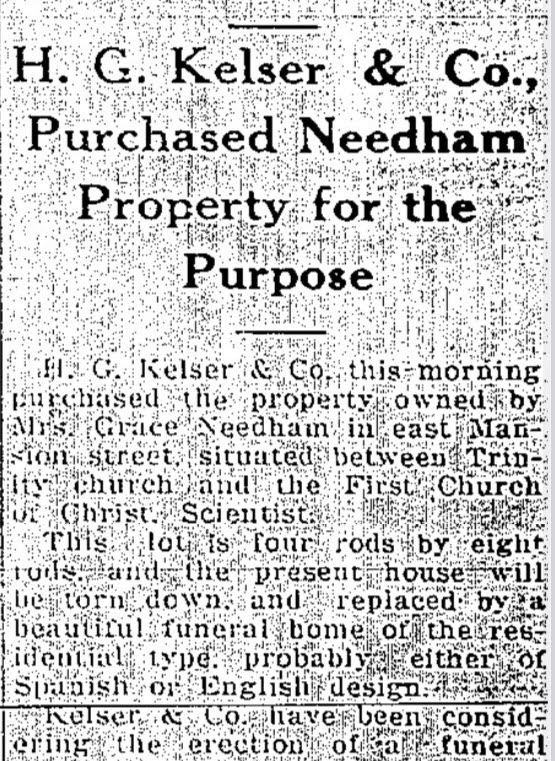
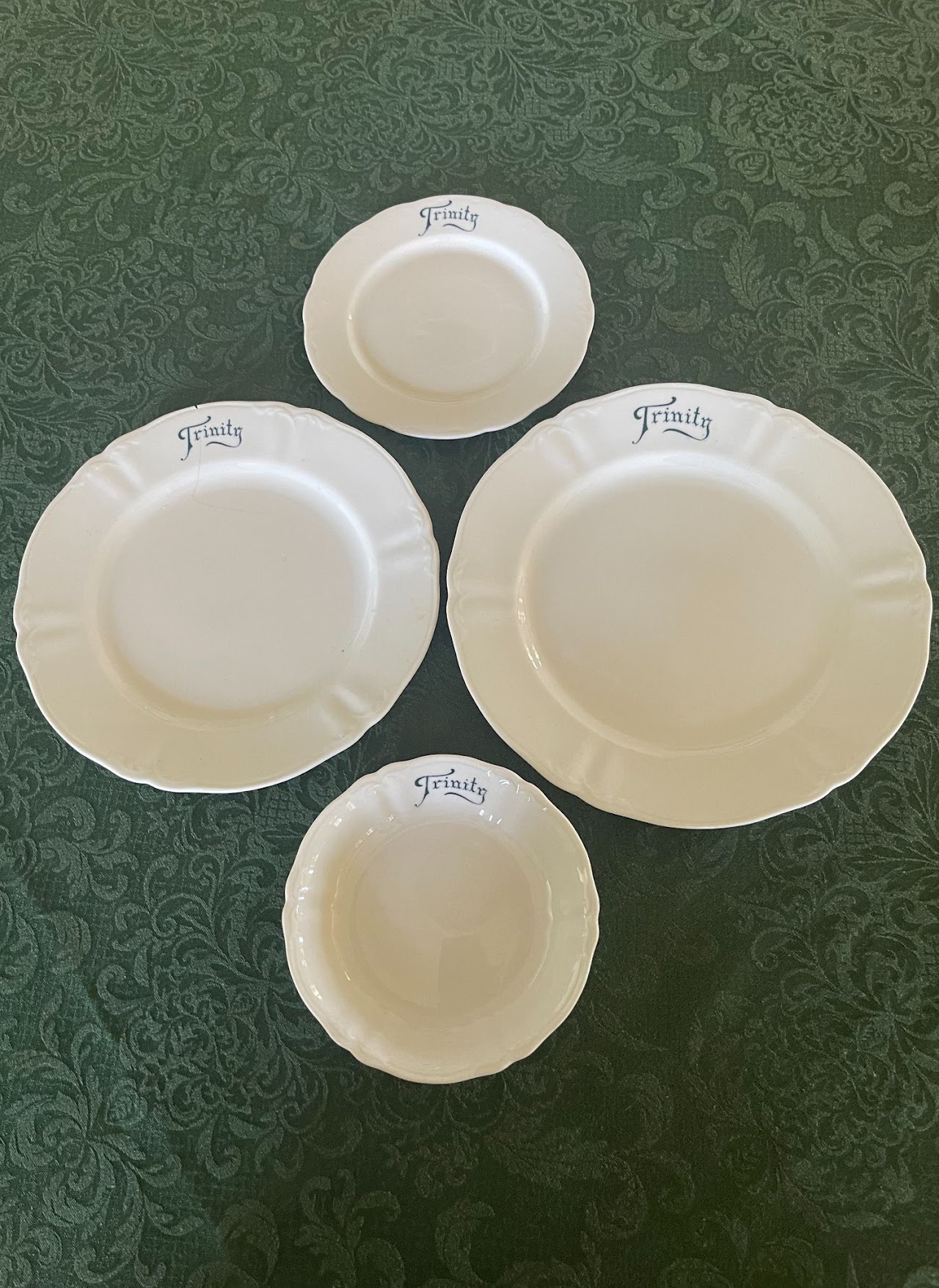
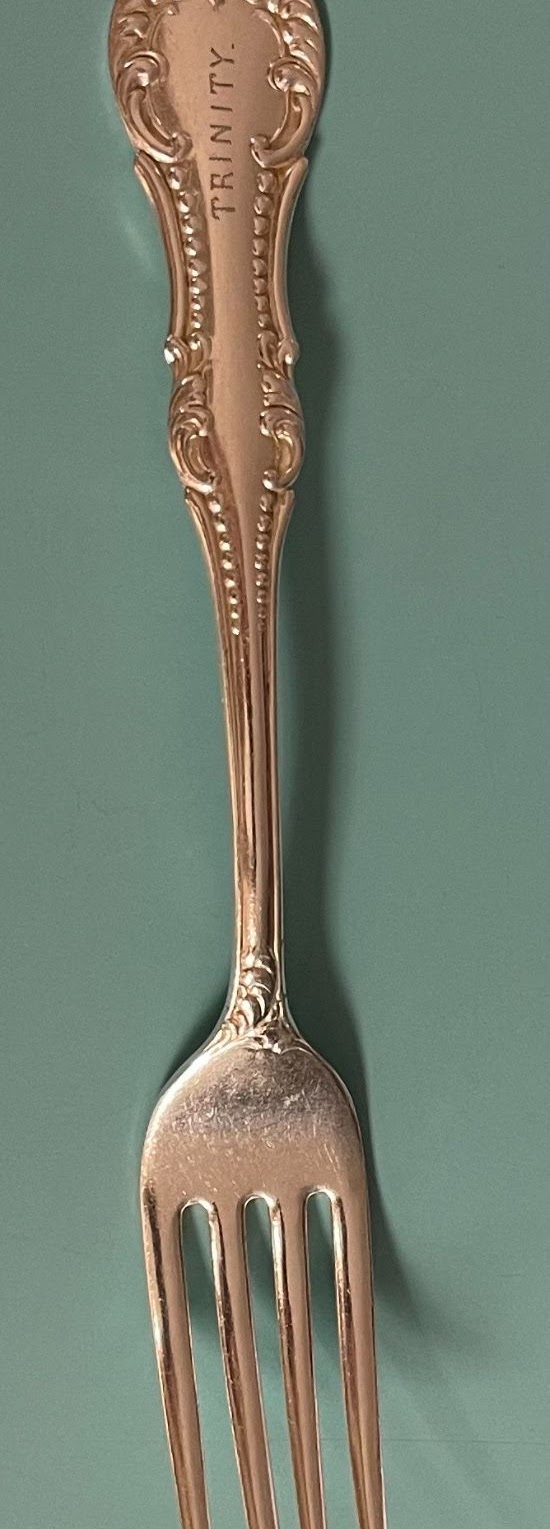
Trinity's preservation and history serve as a link to the past while continuing to enhance its appeal today, as evidenced by its nationally awarded landmark designation. The church's history is preserved through social media publications, local newspaper articles, and the examination of various documents, photographs, and personal stories. Additional documents, photographs, and stories related to Trinity are always welcome.